
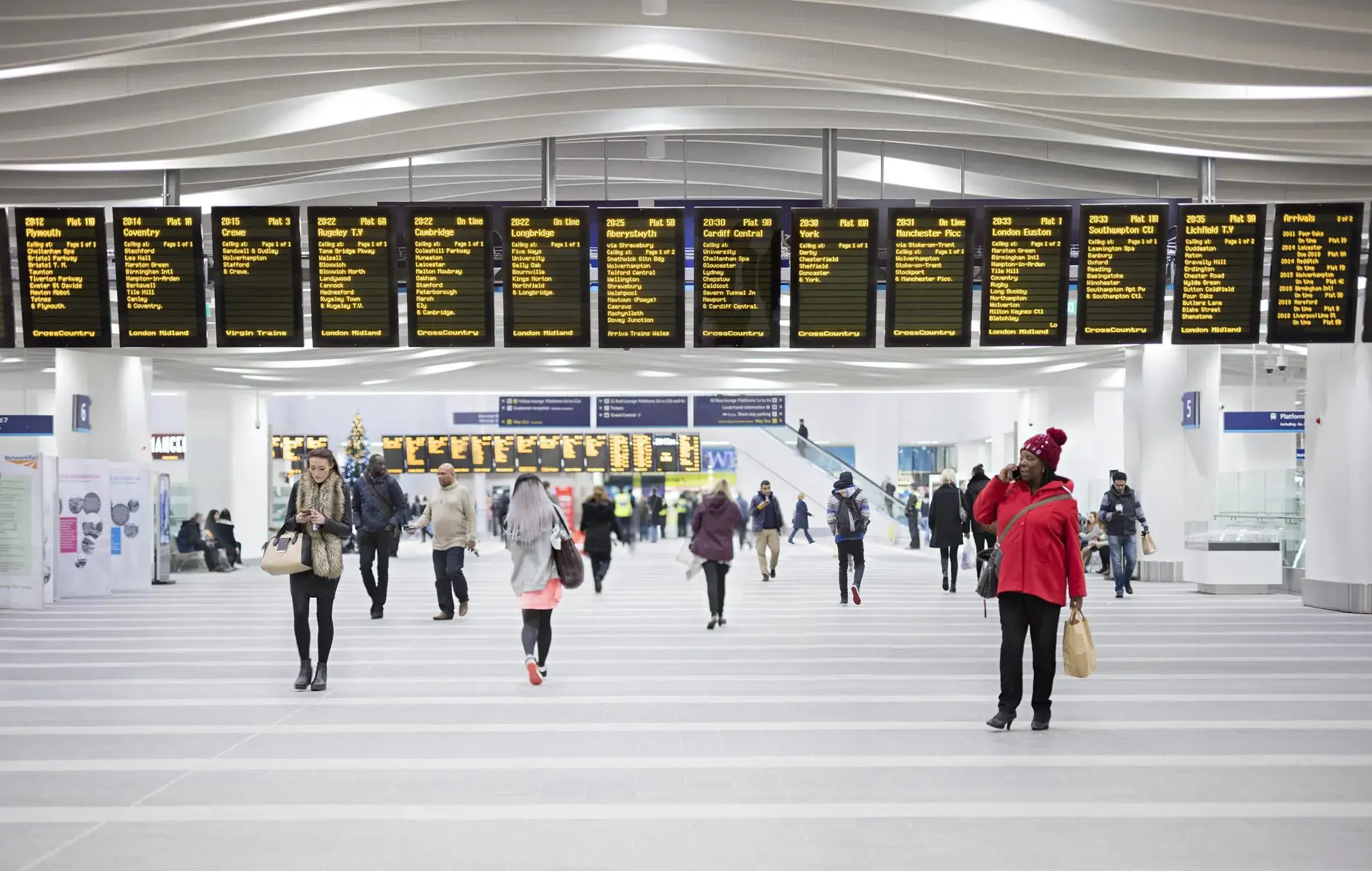

As Great British Railways takes shape, the industry faces a question that structural change alone can't answer.
The reform is real, but it's not the whole answer
The UK rail industry is in the middle of its most significant structural change in a generation. Great British Railways is moving from concept to legislation, promising to end decades of fragmentation by bringing track and train operations under a single public body. For the first time in a long time, there is a genuine opportunity to design the railway around passengers rather than the industry’s boundaries.
That opportunity is real. But it will only be realised if the industry addresses the distance between what rail promises passengers and what passengers experience from rail services.

Satisfaction and trust aren't the same thing
The first results of the new Rail Customer Experience Survey, covering October 2025 to March 2026, tell a complicated story. 87% of passengers were satisfied with their journey overall, but only 59% felt the fare they paid offered value for money. Fewer than half of commuters (49%) are satisfied. And for the first time, passengers were asked directly how much they trust the rail industry. 45% said they don't trust the railway despite using it. [source: Transport Focus RCXS commentary report]
A passenger can complete a journey and feel relieved rather than confident. They can arrive on time and still not believe the railway is on their side. The difference between a journey that functioned and a relationship that has been earned is the real challenge facing rail right now. And at its core, it's a design and commercial problem.
Why this matters commercially, not just reputationally
The focus on structural change, contracts, and governance can displace the focus on experience. Leaders can spend this period designing only the organisation and leave the experience design for later.
That sequencing has a commercial cost. Consider what it costs when a business passenger who has experienced repeated disruption on a route quietly switches to driving and never travels with that train provider again. That decision doesn’t show up in a single complaint. It accumulates in churn, lost fare revenue, and a reputational position that is harder to recover than it was to lose.
The question to answer is whether investments are targeted at the moments that build confidence and trust, and therefore commercial performance, rather than the moments that are simply most visible or most complained about.
Where to focus: the evidence points to a specific answer
Every operator has a list of things passengers want improved: fares, punctuality, information, cleanliness, accessibility, digital experience. All of them are legitimate. None of them can be fixed simultaneously. The assumption that fixing the most complained-about issue produces the greatest return isn't always correct.
The RCXS survey data illustrates why. When a delay is handled well, more than nine in ten passengers report a positive experience, despite the disruption. When it isn't handled well, that figure falls to one in four. The implication is significant: improving how delays are communicated and managed may do more for overall passenger confidence than reducing the delays themselves, which is largely outside any single operator's control.
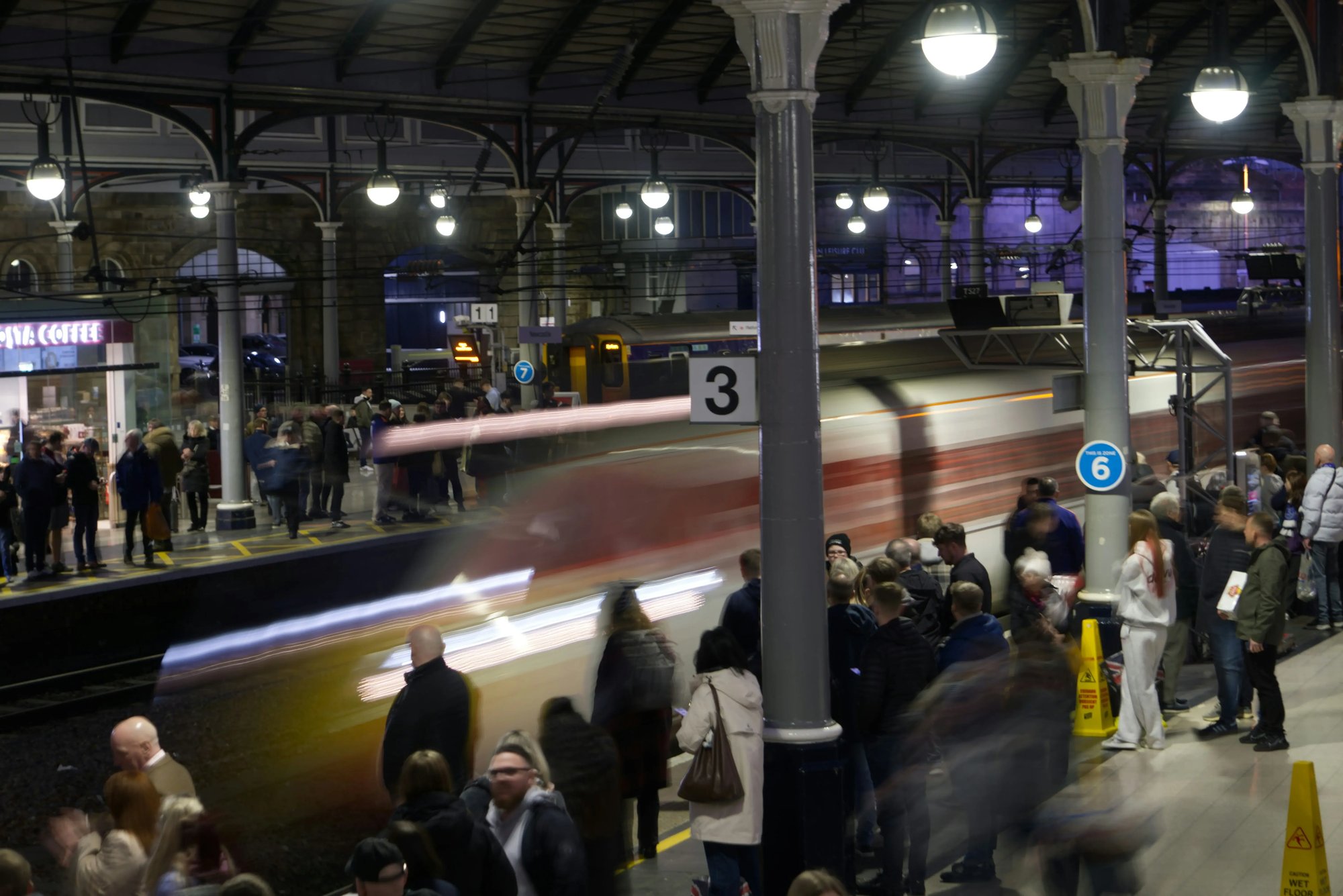
What that looks like in practice
Disruption is the single biggest driver of passenger dissatisfaction. It is also mostly an issue caused by infrastructure constraints, industrial action, or weather events that operational teams cannot prevent. Passenger confidence is not lost in the disruption itself, but in how disruption is handled.
Imagine a delayed service at a busy commuter station. The train is late. That's outside the station team's control. What is within their control is whether a member of staff is on the platform before passengers start checking their phones, whether the information is consistent between the departure board and the app, and whether the tone of the announcement makes passengers feel the operator is on their side and not reading from a script.
Those moments are either designed or left to chance. When they are left to chance, the experience varies entirely depending on which staff member is there that day. Neither version is wrong, exactly. But one builds confidence and trust, and the other erodes it.
The industry now has the evidence, it's a question of what it does with it
The new RCXS provides a view of approximately 130,000 passengers a year, results available every 28 days, analysable by route, demographic and operator. The challenge is influence and how to turn data that informs a report into insight that changes a decision.
A satisfaction score gives leadership a number. An analysis that shows which specific passenger moments are driving that score, the likely revenue impact of each, and what targeted intervention would recover it, gives leadership a reason to act.
What 'designing for passengers' actually means
The reformed railway will be judged by passengers, not by regulators. And passengers will judge it based on the design.
-
Does it feel different?
-
Is the information clearer?
-
Is disruption handled better?
Ultimately, does the experience of travelling feel like it was designed for them rather than inherited from the industry structure that preceded it?
That will only happen when the people delivering the service in every function know exactly what they’re trying to make their passengers feel, and have the clarity, tools and mandate to deliver it consistently.
The industry now has the evidence to see where trust is being built and where it's being lost.
What will it decide to do with it?





.webp)