

Luxury brands have spent the last decade digitising transactions. Websites have become faster, apps are more sophisticated, AI is more capable, and journeys have become more seamless. But these developments don't feel luxurious, and $53.20B of trust is at risk, according to our latest research.
And luxury customers don’t separate digital from the brand. They don't think, ‘this is the ecommerce experience’ or ‘this is the app’. They experience it all as one house. One relationship. One promise.
That means digital no longer sits alongside the luxury experience. It is the luxury experience. And that's where many brands have a problem.
When digital starts to feel functional rather than distinctive, trust begins to erode.
Because luxury customers aren't simply asking, ‘can I buy this?’ They're asking something far more emotional: ‘Does this still feel like the brand I fell in love with?’

The digital trust gap in luxury
This challenge is becoming increasingly important because digital now influences the majority of luxury purchases, whether the final transaction happens online or in-store.
Yet the emotional experience hasn't kept pace with the technology. Engine's Luxury Retail Trust Gap report found that customer trust in digital experiences scored just 26.5, compared with 34.5 for in-store experiences. After-sales support scored 27.5, highlighting how quickly confidence can fade when customers lose access to reassurance and human support.
This isn't a technology gap, it's a trust gap. Luxury has traditionally built confidence through atmosphere, expertise, personal service and subtle signals of care. But many of those cues disappear online.
And if brands don't intentionally replace them, digital starts to feel like every other category – convenient, efficient, forgettable.
Why reassurance matters more than convenience
Luxury purchases are rarely impulsive. Customers are buying confidence in their decision.
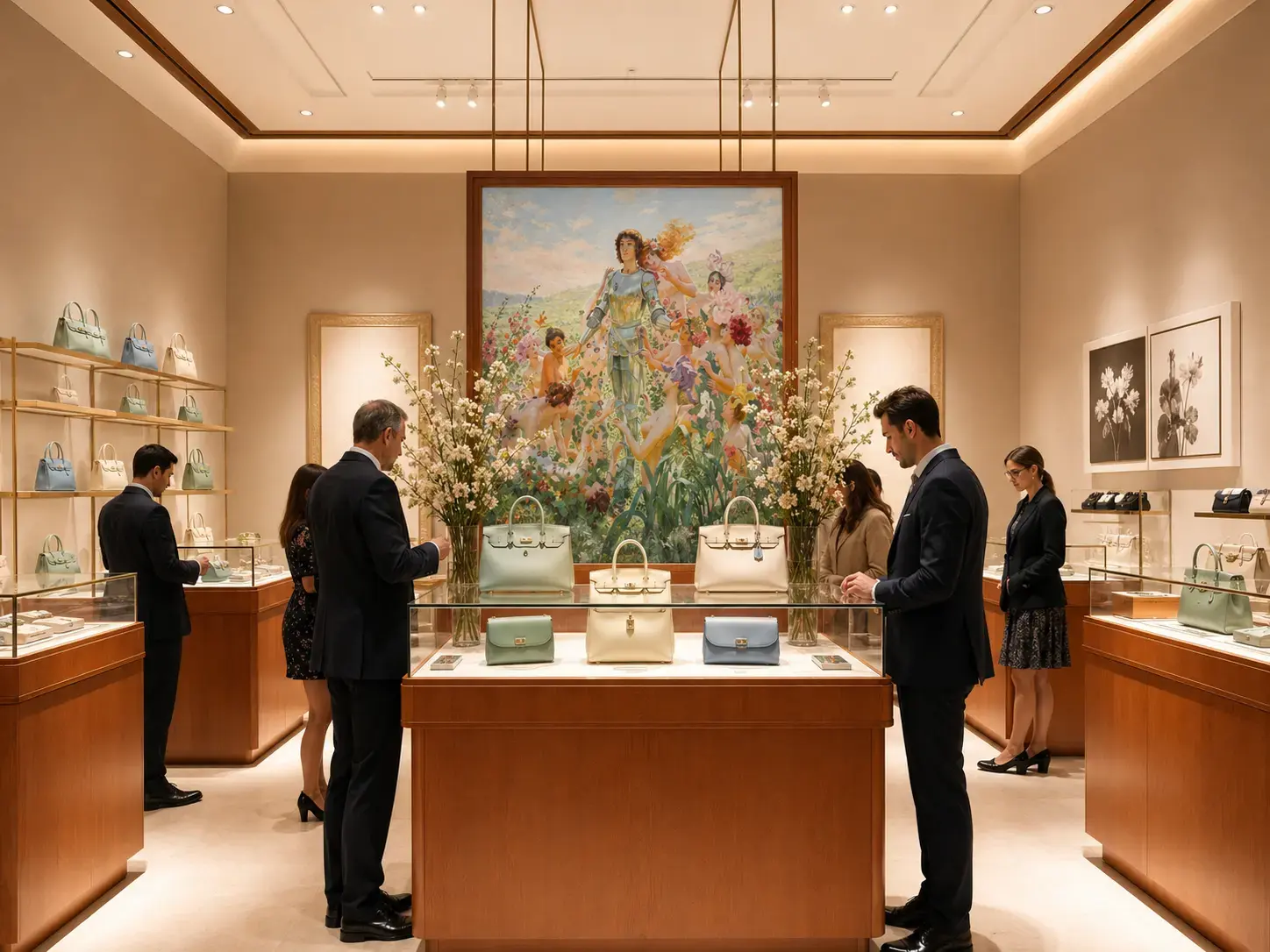
In-store, reassurance comes naturally. An advisor answers questions before they're asked, the environment creates certainty, and expertise is visible. Online, that confidence is much harder to create.
Customers worry about sizing, authenticity, delivery, servicing and support. They hesitate over high-value purchases without the emotional cues that normally help them feel certain.
Research from McKinsey and Altagamma shows that nearly 80% of luxury consumers still include physical stores as part of their journey, even when researching and purchasing digitally. The store remains emotionally important because it offers something digital often struggles to provide: reassurance.
AI can help bridge the gap between usability and confidence by offering more responsive guidance and more relevant support. But when badly designed, it has the opposite effect – generic recommendations, scripted chatbots, automated responses that answer the question without addressing the emotion behind it.
Luxury customers don't just want frictionless experiences; they want to feel confidently guided. Because trust isn't built when everything goes perfectly. It's built when customers feel supported in moments of uncertainty.
One house, not many channels
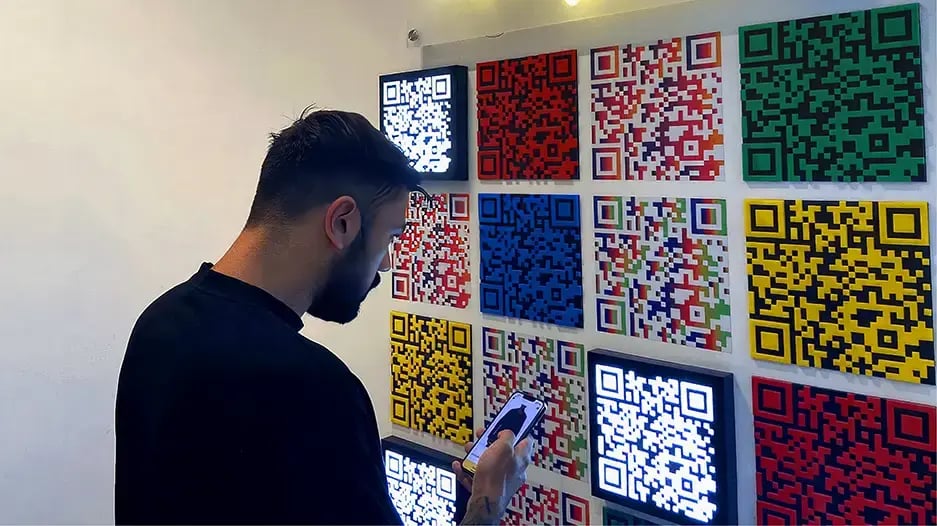
Luxury brands often talk about omnichannel. But customers don't. They expect the website to know what happened in-store. They expect client advisors to understand previous purchases. They expect service interactions to feel connected to earlier conversations. And too often, that isn't the case. Customers end up repeating information across channels and conversations lose continuity.
What brands experience as organisational complexity, customers experience as inconsistency. And inconsistency is dangerous in luxury because it exposes the machinery behind the brand. The more customers notice the systems, the less they feel the magic.
Some luxury brands are responding differently. In Dubai, for instance, Majid Al Futtaim has focused on creating more connected experiences across physical and digital touchpoints, using technology to anticipate customer needs while maintaining a sense of personal service and continuity. The emphasis isn't simply on convenience, but on making the experience feel coherent wherever customers engage.
Friction isn't always the enemy
Brands are under constant pressure to remove friction, shorten journeys and optimise conversion. But luxury doesn't compete on efficiency alone. Some friction creates value. The feeling that something has been thoughtfully curated rather than instantly delivered creates value.
When everything becomes immediate, frictionless and optimised, luxury risks becoming easier to buy but harder to desire. The brands navigating this best understand that technology should enhance emotional value, not eliminate it.
Look at Gucci and Burberry. Gucci’s digital experiences increasingly blend commerce with storytelling, creativity and community, creating moments that feel immersive rather than purely transactional.
Burberry, meanwhile, has invested heavily in connecting stores and ecommerce to create more seamless and recognisable experiences across channels. The ambition isn't simply operational efficiency. It's preserving the feeling of the brand wherever customers engage.
The next phase of luxury digital
The challenge for luxury brands is making digital feel worthy of the brand. That means designing for reassurance, not just convenience. It’s about creating continuity, not just connectivity. And building confidence, not simply reducing friction.
AI has an important role to play here. Not to define the experience but to remove complexity behind the scenes, so the customer experiences something simpler, more personal and more human. Because luxury customers shouldn't have to lower their expectations when they go online.
The brands that succeed won't necessarily be the ones with the most advanced digital ecosystems. They'll be the ones whose digital experiences feel every bit as considered, reassuring and distinctive as the experiences that built their reputation in the first place.
And that's where trust is won.


.webp)