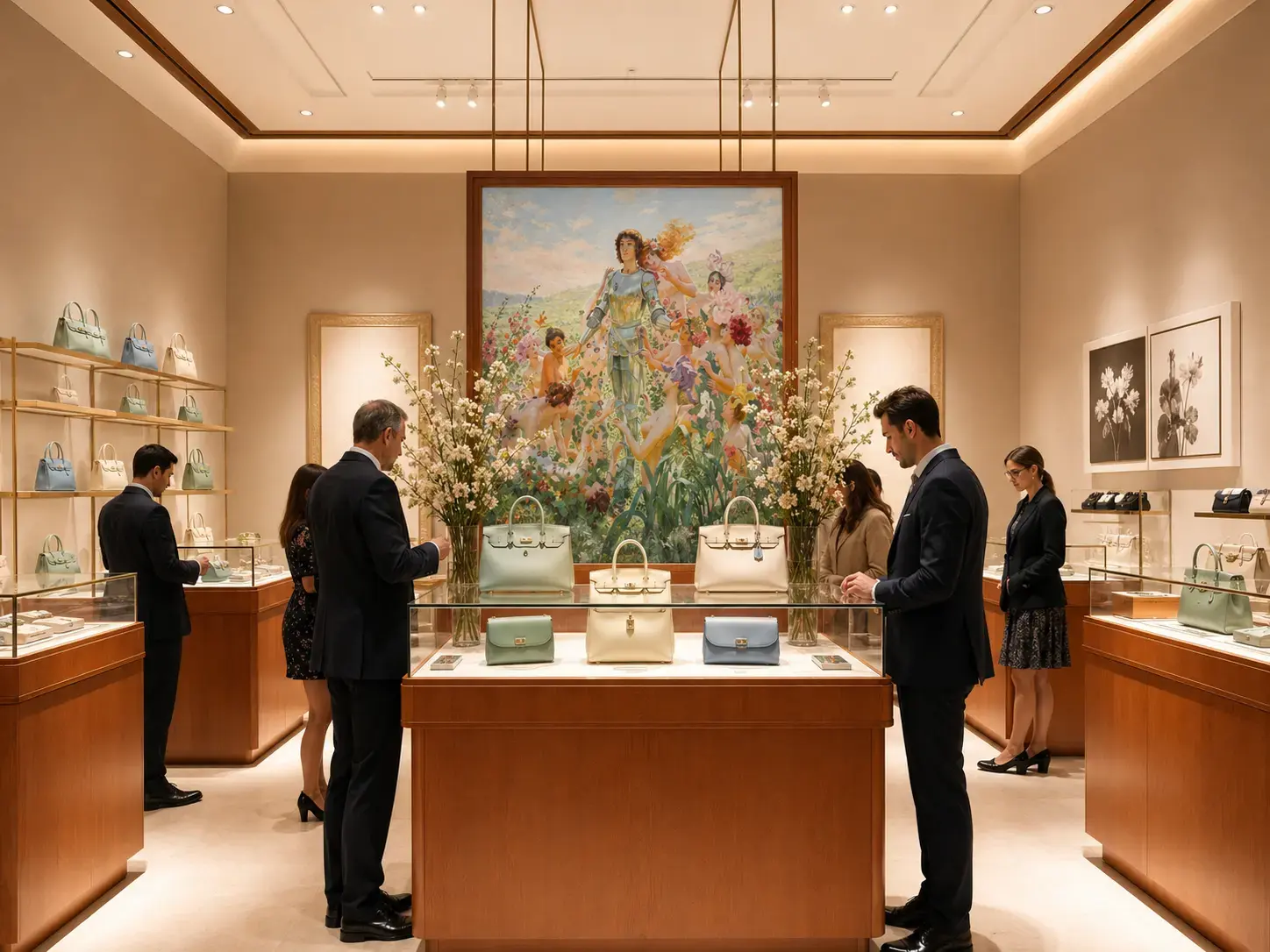

Luxury brands don’t lose trust because they grow. They lose trust when growth becomes visible in the experience.
And that visibility tends to show up in two places: when exclusivity starts to feel engineered rather than earned, and when the brand feels different due to inconsistencies across touchpoints.
The moment customers can see the mechanics behind your growth – how access is managed, how service is delivered, how decisions are made – something shifts. And the feeling of being chosen starts to disappear.
That’s where trust begins to erode, and revenue tends to follow - our data puts that figure at $213.56B across the sector.
The hidden cost of visible growth
The luxury sector is already feeling the impact.
Between 2022 and 2024, the market lost around 50 million customers. VIP clients – just over 2% of the customer base – now account for around 45% of global luxury purchases. Yet those same clients increasingly describe the experience as less exceptional and more transactional.
This isn’t just a demand issue. It’s a trust issue.
It shows up in two ways.
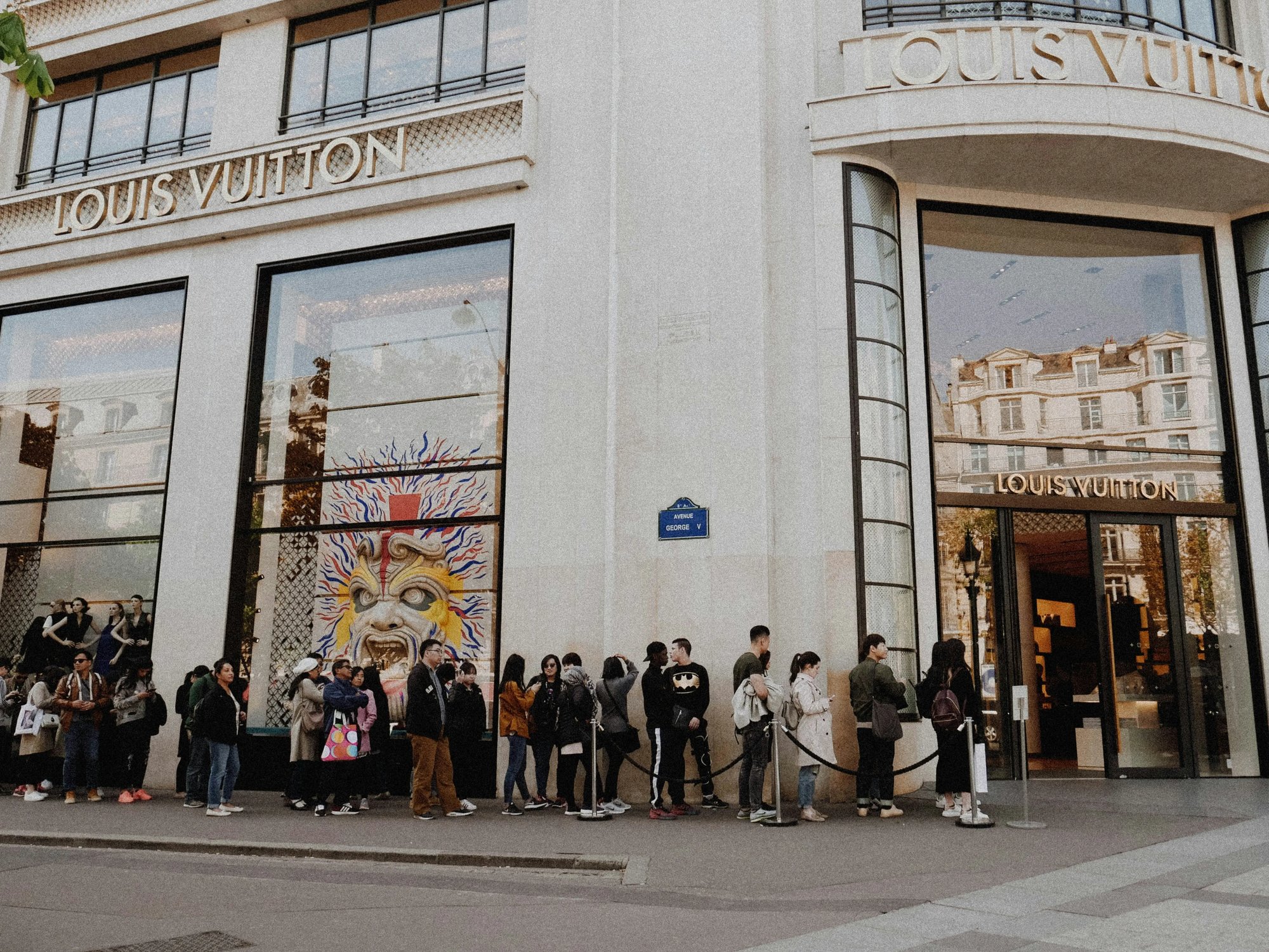
1. Growth becomes visible in access
In luxury, scarcity alone isn’t enough. Access has to feel intentional. That’s the difference between being available and being chosen.
As brands scale, access is often shaped by commercial logic – inventory, demand, efficiency. That makes sense operationally. But when customers can feel that logic, something changes.
The experience starts to feel engineered rather than curated.
Customers aren’t walking away because you’re too big. They’re walking away because the door no longer feels like it was opened for them.
2. Inconsistency impacts scale
Luxury customers don’t experience channels, they experience one house. But as organisations scale, consistency becomes harder to maintain.
Different teams, systems and priorities start to shape the experience one standard in store, another online, a different tone in CRM. Our Luxury Retail Trust Gap report backs this up. In-store experiences score 34.5 for customer trust. Digital scored 26.5 - that gap tells you exactly where the experience stops feeling like the same house.
Each interaction may work in isolation. But together, they create doubt. Because inconsistency doesn’t just create friction, it raises questions about the integrity of the brand itself.
And once customers start to question one part of the experience, it affects how they see the rest.

What the best brands do differently
The brands pulling away aren’t doing less. They’re doing more, invisibly. And technology plays a central role in that, particularly AI.
But the goal isn’t to make the experience feel smarter. It’s to make it feel more natural. Some luxury groups describe this as “quiet tech” – systems that enhance personalisation and consistency without drawing attention to themselves.
The difference is not what they do, but how visible it is to the customer.
And the result is an experience that feels inevitable rather than engineered.
What that means for you
Luxury retail won’t be transformed by AI that feels more advanced. It will be transformed by AI that makes the experience feel more considered, more consistent and more trustworthy.
The opportunity is to use technology to make access feel curated, recognition feel personal, and every interaction feel like the same house.
In practice, that means mapping where trust breaks across store, ecommerce, CRM and aftercare, defining where AI should remain invisible and where human interaction is essential
The risk isn’t falling behind on AI adoption, it’s adopting it in a way that makes the brand feel more like a platform and less like a house. Our role at Engine is to make sure the technology serves the feeling, not the other way around.
A clear next step
If growth is making your experience feel more visible, where is that showing up for your customers? And what is it costing you in trust, loyalty and long-term value? Across the sector, our data puts that figure at $213.56B.
We can help you identify where trust is being exposed, and redesign those moments so growth feels as considered as the brand itself. Get in touch.





.webp)